A problem caught on paper is usually a phone call. Caught once the excavator's on site, it can mean weeks of waiting, and that's weeks of a family's life on hold.
That's why we put so much time into the front end of every job. As Charlie puts it, it's all about catching problems and being as transparent as we can, as early as we can. "There's nothing worse than missing a problem and having to pass that on to the client once we're building. When we start talking about delays, it can snowball pretty quickly."
If you're choosing a builder for a complex or architect-designed home, this is the part worth asking every builder about. Here's what we do before anyone breaks ground, and what it means for you.
What Charlie checks before we start
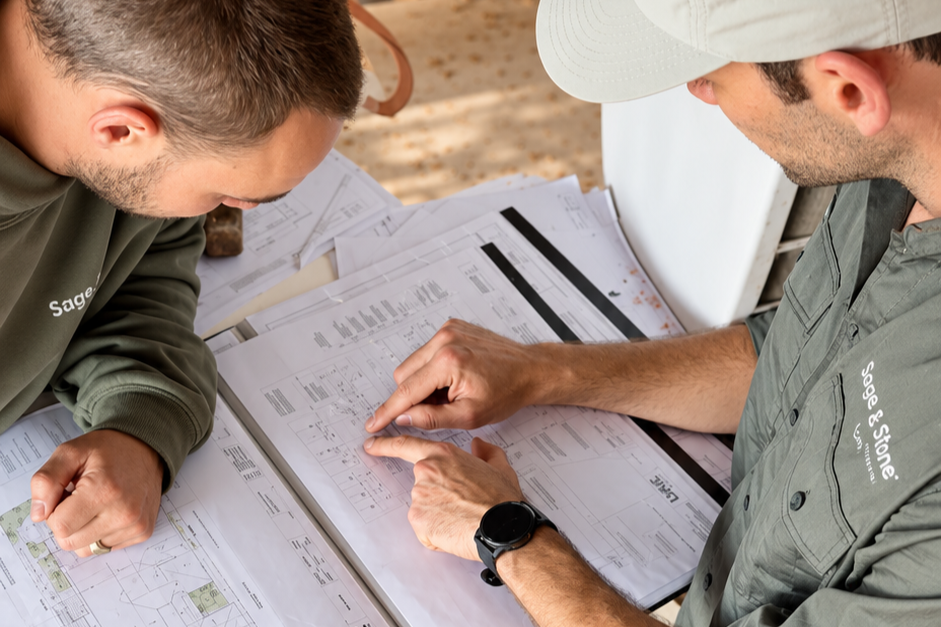
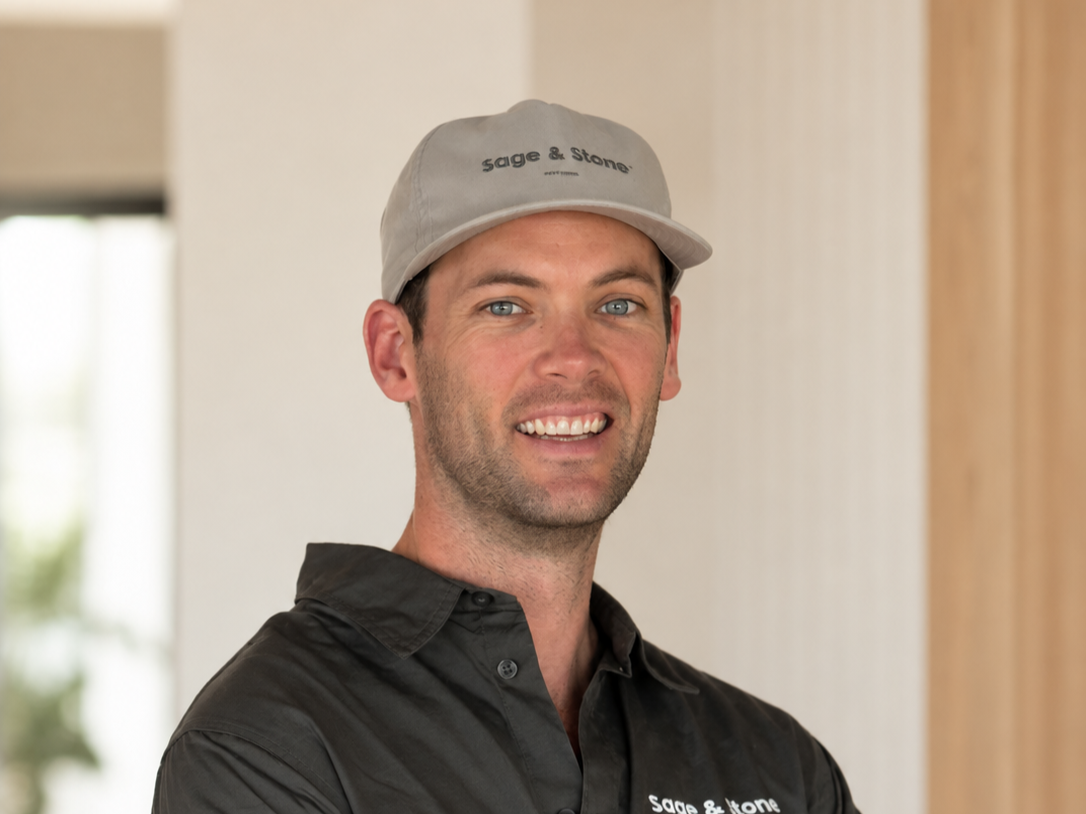
Pre-start is where Charlie, our project manager, walks the whole job before a single machine turns up. Most of it is stuff you'd never think to look for, and that's kind of the point.
Levels. Do the heights on the plans actually work with the ground as it is? A few hundred millimetres out can change a lot once the slab or piers go in.
Where the water goes. Stormwater in a big downpour, and how it gets away from the house without ending up next door.
Retaining. What each wall actually has to hold back, and whether the engineering matches what's on site.
Rock and soil. What we're likely to hit when we dig, so it's planned for rather than a surprise.
Getting on and off site. How the excavator, trucks and deliveries get in, especially on steep or tight blocks.
Bushfire rating. What the rating means for materials and detailing, so it's built in from the start.
Do the plans line up. Charlie checks the engineering ties in neatly with the architectural plans, so what's drawn is what gets built.
He was a chippie before he became a civil engineer, so he looks at all of it from both sides, how it's designed and how it actually goes together.
What it looks like on real jobs
Burwood Road, Whitebridge. A steep escarpment, the highest bushfire rating there is, and rock pretty much everywhere. The original plans needed a rethink before anyone could start, so we got the architects, engineers and consultants in the same room and sorted it out first. Then 54 piers went in, between 500mm and a metre into rock, without anyone having to stop and work it out on the day.
Lexington Parade, Adamstown Heights. Mine subsidence country, and a lot of digging under the house, over 300 tonnes of it. Knowing that early meant the excavation and the engineering were planned around the site rather than discovered halfway through.
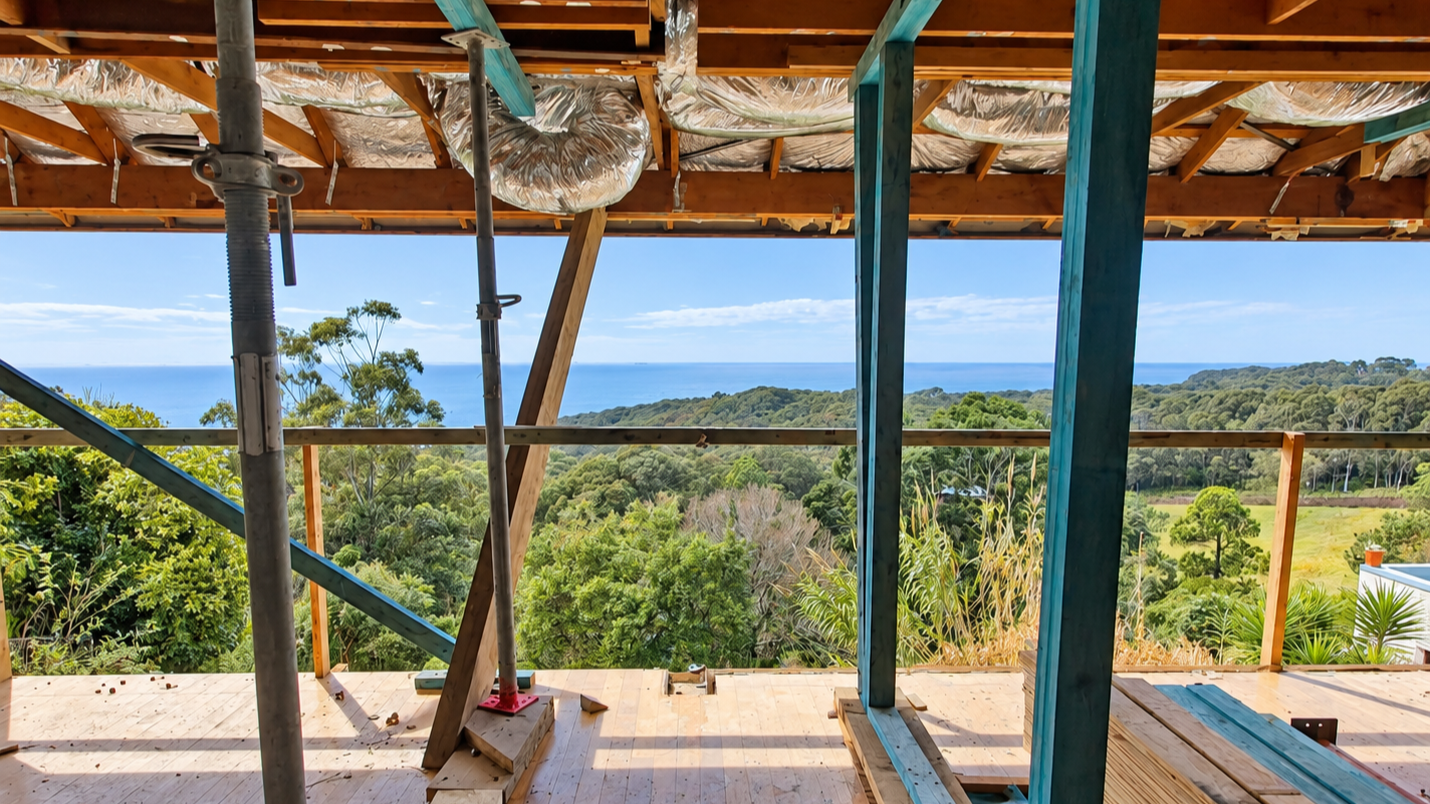
Dudley. A steep coastal block where access, levels and getting water away from the house all needed working out before the first machine went on.
Who does what
Joe and Charlie look at the plans together early on. Joe brings 15+ years of building and asks how it'll actually go together on site. Charlie brings the engineering side and makes sure the detail lines up with the architectural plans.
Then Charlie runs pre-start as project manager, so the person who checked it all is the same person running your job once it begins. You stay in on the decisions that matter, and we keep the rest of it organised.
What this means if you build with us
Fewer surprises once we're on site. The tricky stuff gets found on paper, where it's quick to sort out.
Your move-in date has a better chance of holding. Less stopping and starting means less time renting or living around a build.
The person who checked it all runs your job. Charlie doesn't hand over a list and walk away, he's the one on site making it happen.
You don't have to be the go-between. We bring the architects, engineers and consultants together and keep it organised. You're in on the decisions that matter, not chasing every detail.
In Charlie's words, all this planning comes down to one thing: a quality home, on time. We really want to deliver for our clients, and most of that is won or lost before anyone digs.
Thinking about building?
If you've got a tricky block, or plans you'd like looked at properly before you start, tell us a bit about it. We'll get back to you to talk it through.
